Five Things I Noticed About How Strength & Sport Approaches Exercise Differently From a Traditional Gym or PT Clinic
Five Things I Noticed About How Strength & Sport Approaches Exercise Differently From a Traditional Gym or PT Clinic
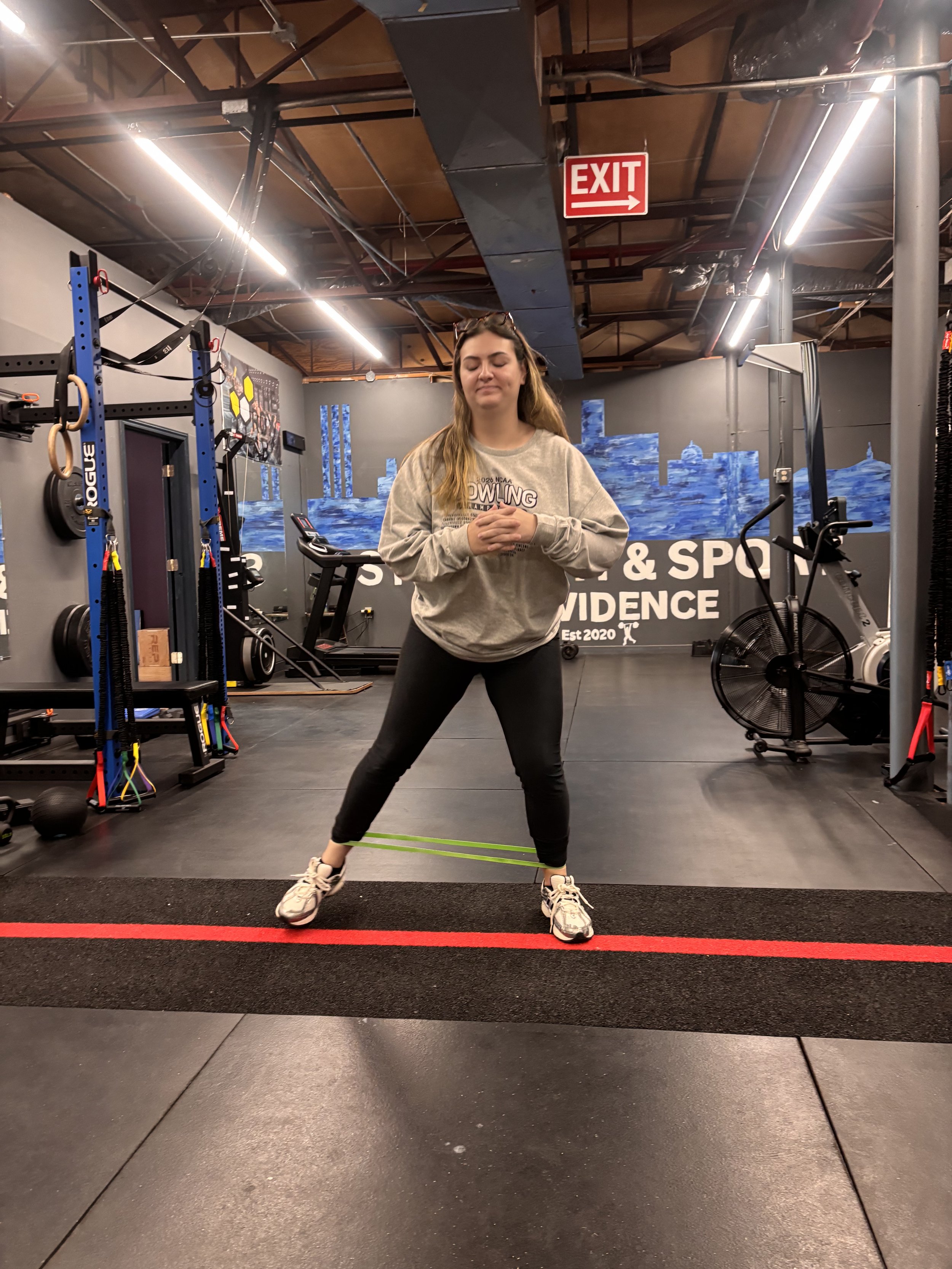
During my internship at Strength & Sport PT, I’ve had the opportunity to see how exercise, rehabilitation, and performance can come together in one place. While many gyms focus primarily on workouts and traditional physical therapy clinics focus on rehabilitation, Strength & Sport takes a more individualized approach.
Here are five things that stood out to me:
1. One-on-One Treatment
One of the biggest differences I noticed is the one-on-one approach. Each client works directly with a physical therapist rather than being placed into a large group or moving through a standard treatment plan.
This allows the therapist to focus on the individual, understand what they need, and make adjustments throughout the session. From my experience shadowing, this also creates more opportunities for clients to ask questions, learn about their bodies, and receive hands-on guidance.
2. Specialized in Athletes
Strength & Sport is not just focused on helping people recover from injuries. The clinic also works with athletes who want to improve their performance.
Training can be designed around the demands of a specific sport, whether the goal is getting back on the field, improving strength, becoming more powerful, or preventing future injuries. This performance-based approach is something I have found especially interesting as an exercise and movement science student and athlete.
3. A Hybrid Approach: Physical Therapy, Performance & Recovery
Another thing that makes Strength & Sport different is that it combines physical therapy, performance, and recovery.
Instead of looking at these areas separately, they can work together. Someone recovering from an injury may eventually transition into performance training, while an athlete may use recovery strategies to stay healthy and continue performing at a high level.
This creates a more complete approach to helping people move, train, recover, and perform.
4. Out-of-Pocket, Cash-Based Physical Therapy
Strength & Sport also operates as an out-of-pocket, cash-based physical therapy practice. Rather than relying on insurance-driven treatment models, this approach allows the clinic to structure care around the client's individual needs.
For me, one of the biggest things I have noticed is how this can support a more personalized experience, with the focus remaining on the client's goals and the care they need.
5. Programs Are Based on the Client's Needs
Finally, there isn't a one-size-fits-all program. Programs are built around each person's goals, abilities, movement needs, and stage of training or recovery.
Two people may come in with similar goals but receive completely different exercises or training plans. This individualized programming helps make sure that the exercises have a purpose and are appropriate for the person performing them.
What I've Learned
My internship has shown me that exercise and rehabilitation don't have to fit into separate categories. Strength & Sport's approach combines individualized care, physical therapy, performance, and recovery to create a more complete experience for each client.
As someone interested in strength and conditioning and eventually sport-specialized physical therapy, seeing this approach firsthand has helped me understand the importance of looking at the whole person—not just the injury or the workout.