Knee Pain with Bowling & Taping Technique (From a Div. 1 Bowler)
Blog Post #1: Common Bowling Injuries: Knee Pain & Taping Techniques
When people think about bowling, they probably do not immediately think about injuries. Bowling can look like a simple sport where you throw a ball down the lane, but once you compete at the collegiate level, you quickly realize how physically demanding it can be.
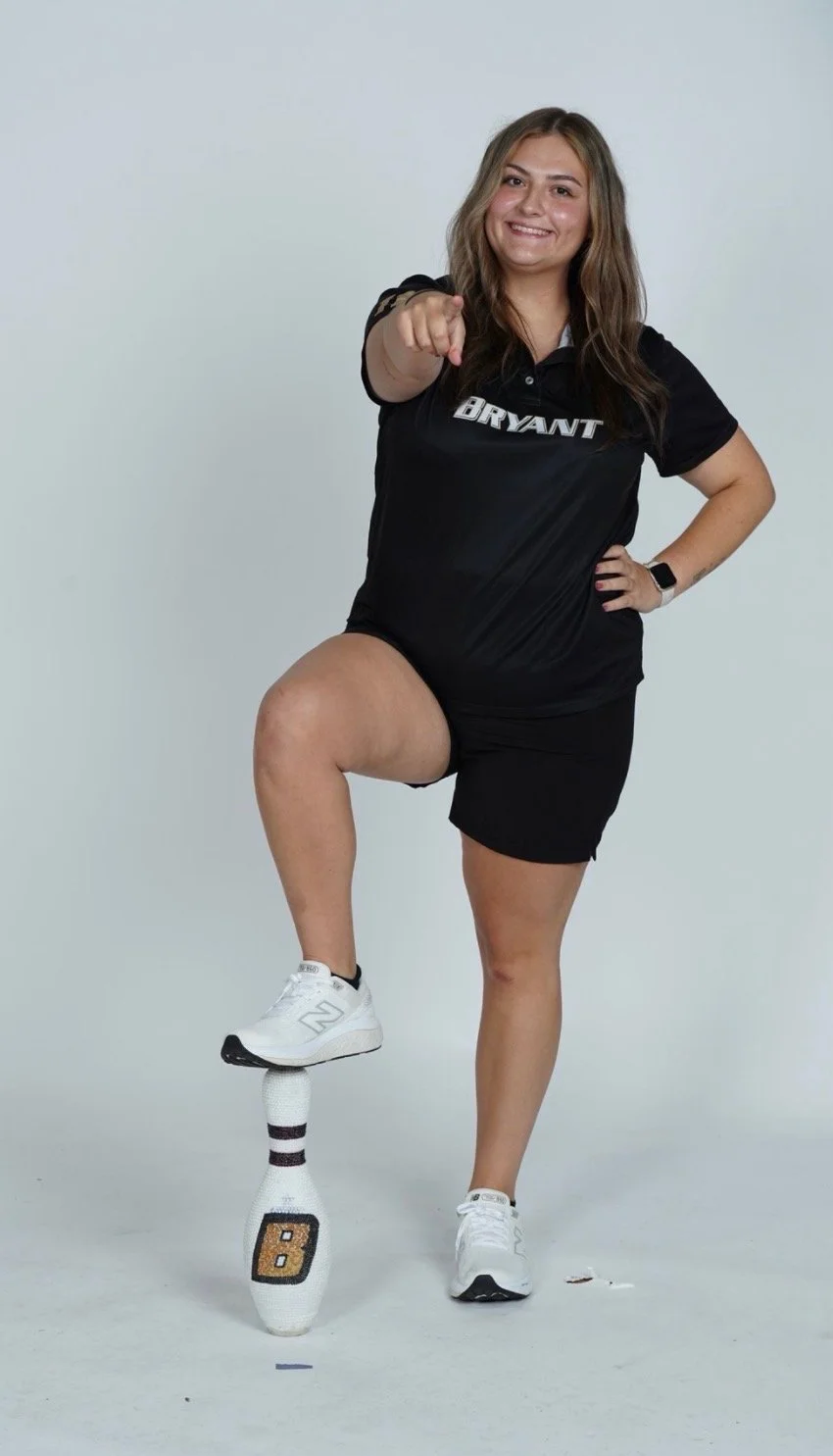
In 2023, I began my journey as a collegiate bowler. Bowling in college was completely different from bowling for fun or competing in high school. As a Division I athlete, I practice around 15 hours a week, lift regularly, travel, and compete in tournaments that can last up to three days. With such a demanding schedule, our bodies do not always have enough time to fully recover. Over the years, I have seen how quickly soreness and injuries can become part of the sport.
One thing I have noticed more and more is bowlers showing up to practice or tournaments with their entire knee covered in tape. This made me wonder: Why are so many bowlers taping their knees, and does the tape actually work?
Why Do Bowlers Get Knee Injuries?
Knee injuries in bowling are not always caused by simply playing too much. Of course, overuse is a major factor, but bowling technique can also have a huge impact on the knees.
The approach and slide put a lot of stress on the lower body. Bowlers build up speed as they approach the foul line and then have to quickly slow down while transferring their weight into the slide. If the slide is not performed correctly, it can place unnecessary stress on the knee.
I have personally experienced posterior knee pain, which is pain toward the back of the knee. Poor slide technique can contribute to this type of discomfort. If a bowler continues using poor mechanics without addressing the problem, the pain can become worse and potentially contribute to more serious injuries.
Another issue is the amount of force created when a bowler stops at the foul line. A sudden stop increases the load placed on the knee. During the release, bowlers also rotate their bodies and transfer their weight. If the leg or knee is in a poor position, excessive twisting or rotation can place additional stress on the joint.
This is why having proper bowling mechanics is so important. Something as small as changing your slide position or release can make a big difference in how your body feels throughout a long season.
So, What Does Knee Tape Actually Do?
This is where taping comes in.
Athletic trainers and physical therapists use different taping techniques to help athletes manage pain and provide additional support. Kinesiology tape is flexible and designed to move with the body instead of completely restricting movement.
For the knee, tape can be applied in different ways depending on the athlete and the problem they are experiencing. Some techniques are designed to provide general knee support, while others focus on the patella, or kneecap.
One technique I have seen frequently is a form of full knee support taping, where strips of tape are placed around the knee to create additional support. Another technique commonly discussed is McConnell taping, which uses more rigid tape to help influence patellar positioning and movement.
For bowlers, the ability to move naturally is extremely important. We need to be able to bend our knees, approach the foul line, slide, and release the ball without feeling restricted. This is one reason kinesiology tape can be appealing because it provides support while still allowing movement.
However, tape should not be viewed as a cure for an injury. It may help with discomfort or provide a feeling of support, but it does not fix poor technique or an underlying injury. If knee pain continues, getting evaluated by an athletic trainer or physical therapist is much more important than simply putting more tape on it.
Why I Like KT Tape
Personally, KT Tape is the brand I have had the best experience with. As a collegiate athlete, I like that the tape is flexible and can stay on while I am practicing or competing.
KT Tape makes several different types of kinesiology tape, including its Original Cotton and Pro products. The company also offers products specifically designed for additional knee support, such as KT Flex.
One thing I like about KT Tape is that it does not feel like I have a huge brace around my knee. Bowling requires a lot of movement, and I do not want anything interfering with my approach or slide. The flexibility of the tape allows me to feel supported without feeling like my movement is being restricted.
For me, putting tape on before practice or competition can also provide a little extra confidence. When you have already experienced knee pain, knowing that you have some additional support can make you feel more comfortable when stepping onto the lanes.
Tape Is Not the Whole Solution
Even though taping can be helpful, it is only one part of injury management.
As bowlers, we need to focus on more than just what happens on the lanes. Strength training, mobility, proper technique, hydration, nutrition, sleep, and recovery are all important. This becomes even more important at the collegiate level because of how much time we spend practicing and competing.
Recovery is something I have learned to take more seriously throughout my collegiate bowling career. When tournaments can last three days and practices can add up to around 15 hours a week, it is easy to push through soreness and ignore what your body is telling you. But continuing to push through pain can make a small problem become a much bigger one.
For me, learning about knee injuries and taping has made me more aware of how important it is to take care of my body. Bowling may not be considered a traditional contact sport, but it still places a lot of stress on the knees and lower body.
At the end of the day, tape can provide support, but it cannot replace proper training, recovery, and injury care. As bowlers, taking care of our bodies is just as important as working on our scores. The better we take care of ourselves, the longer we can stay on the lanes and perform at our best.
Brianna Mester
Bryant University Bowling
Give her a follow! https://www.instagram.com/briannam0511/